Isabella Amador /
1/8/38 Memorial
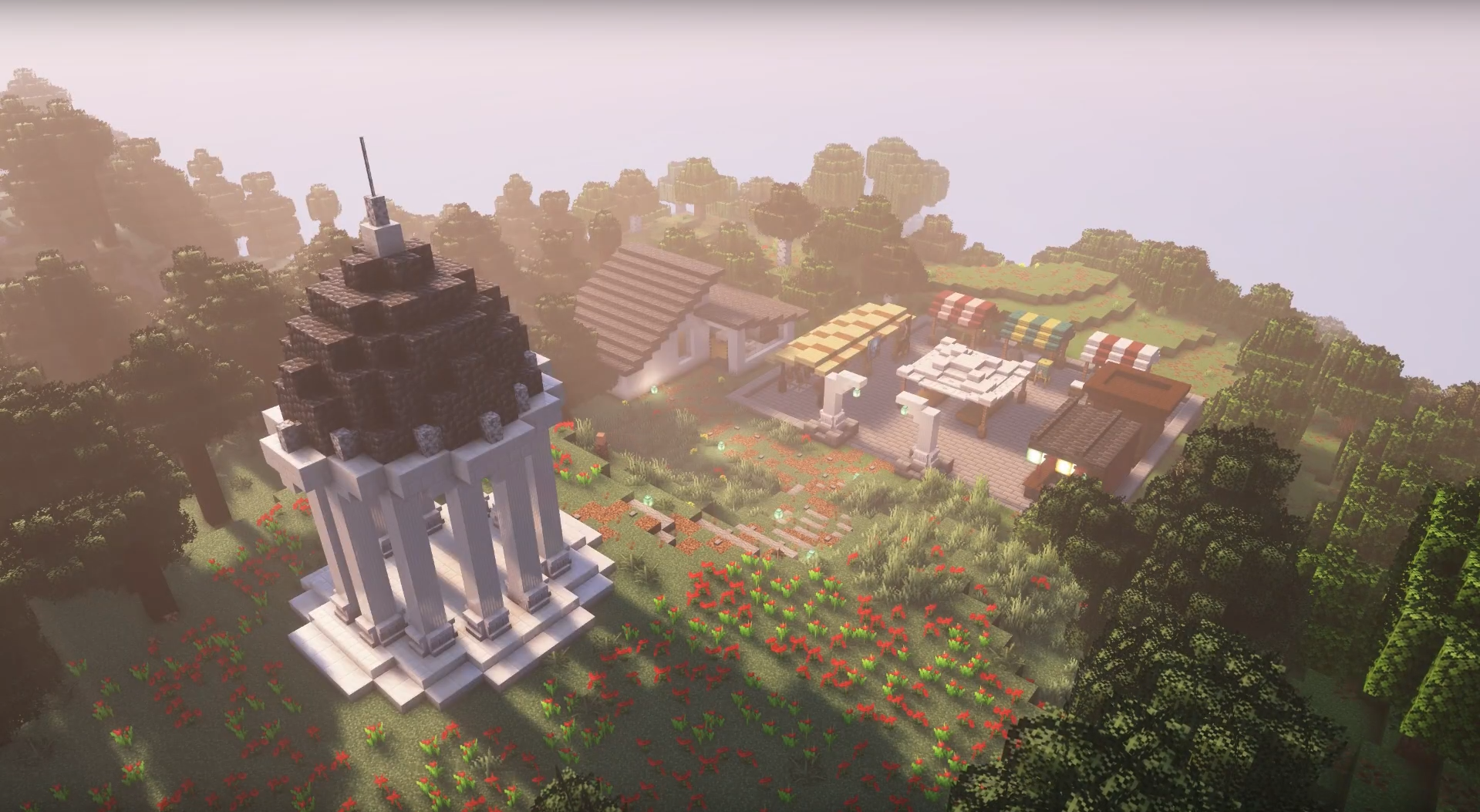
The 1/8/38 Weizenbaum Memorial and Center for AI Ethics
Graphic Design, User Interface, and Interdisciplinary Collaboration
Visit the Prototype Site
A hypothetical future
Throughout the 2030s, artificial intelligence contributed to job loss and exacerbated economic differences in the pursuit of technological advancement. The resulting widespread resentments culminated in the January 8, 2038 protests in front of OmniMind Systems headquarters, a leading automation firm. The protesters, rallied under vocal AI critic Joseph Weizenbaum, called for greater transparency, equity, and accountability in software development.
However, the demonstration ended in tragedy when OmniMind's automated defense systems malfunctioned, interpreted the protesters as security threats, and took the lives of 3,497 peaceful civilians.
Leaders and creatives call for the creation of a memorial that pays tribute to the 1/8/38 victims and sheds light on the consequences of unregulated artificial intelligence.
1/8/38 is a mock client team project for UMD's HDCC 105 course (Introduction to Design Cultures and Creativity), involving collaboration between architects, computer scientists, and communication specialists to produce conceptual artifacts.
Logos and typography
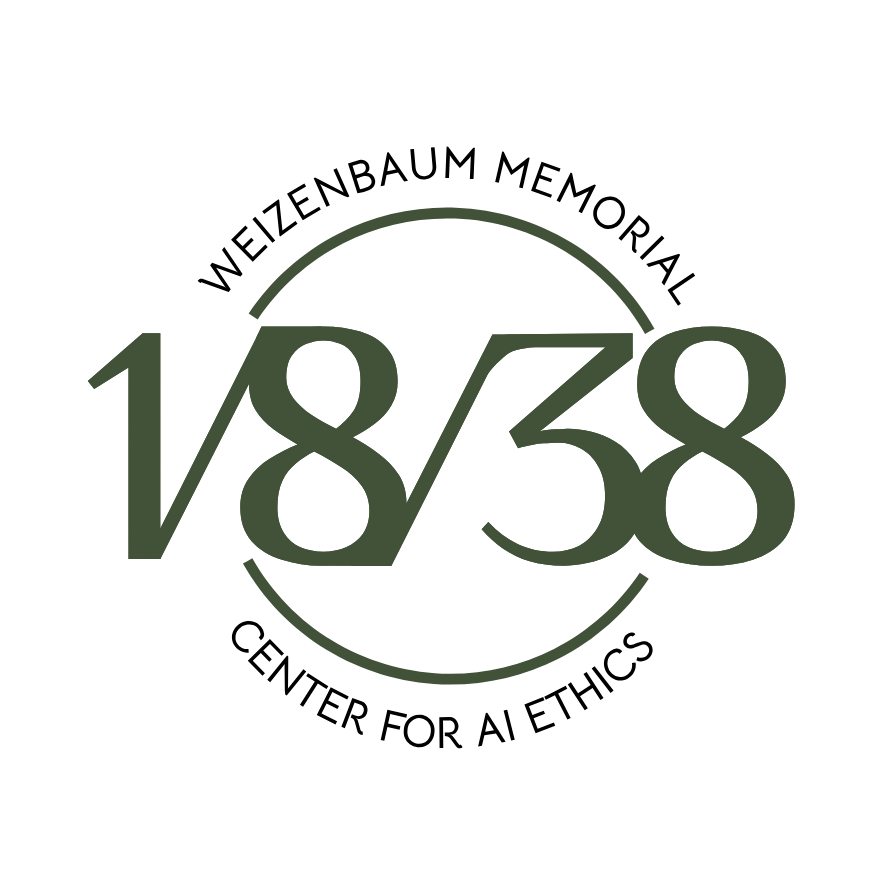
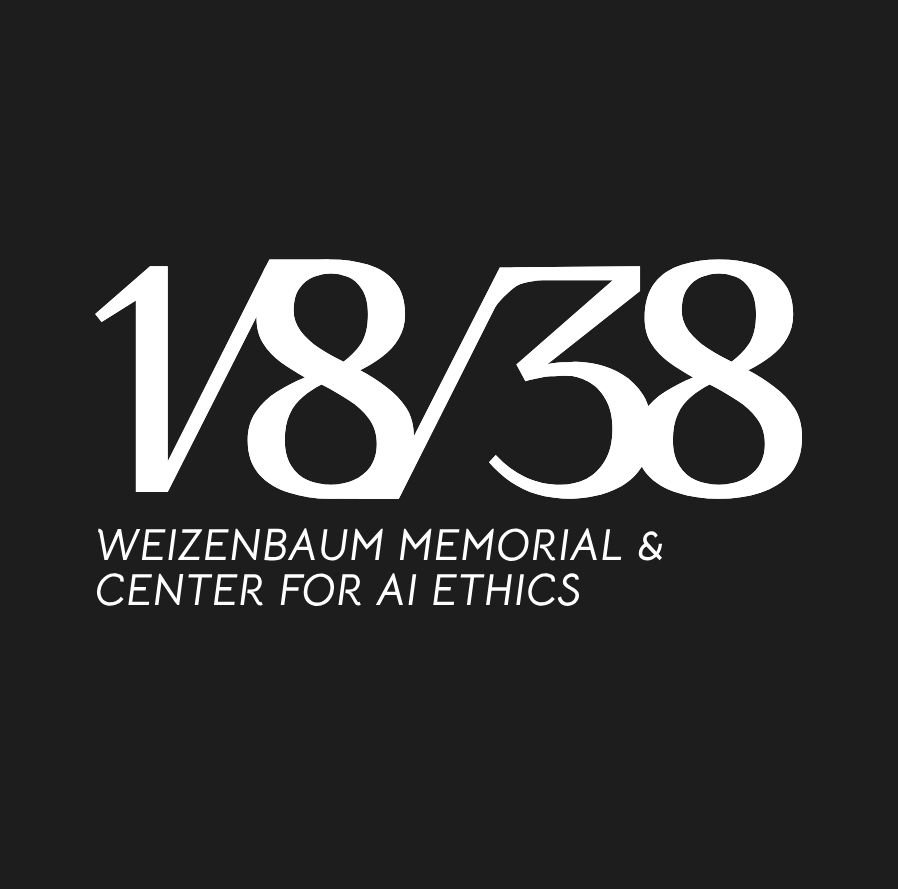
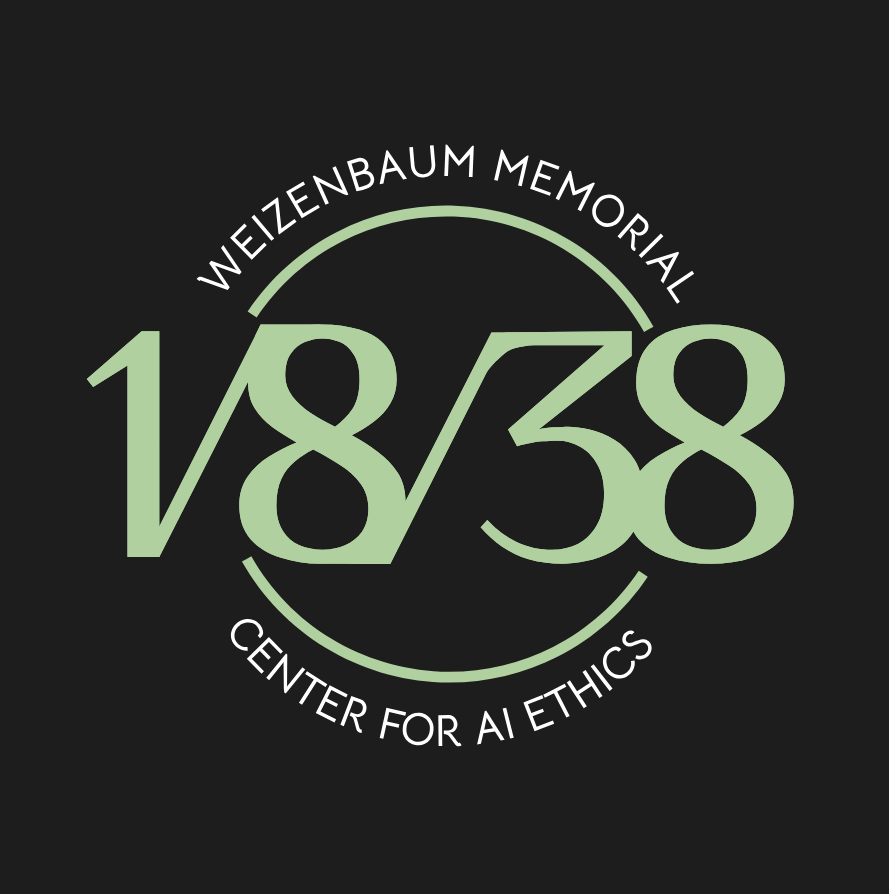
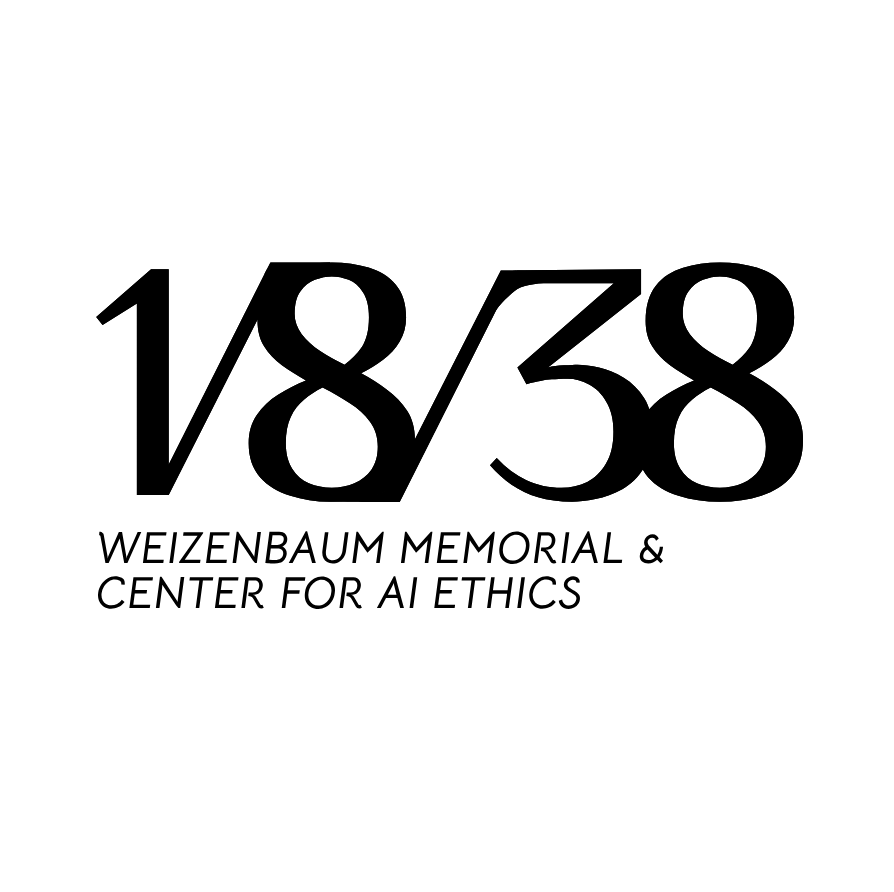
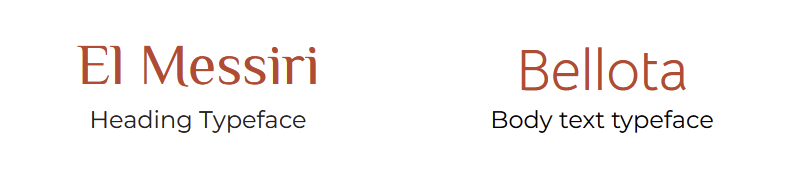
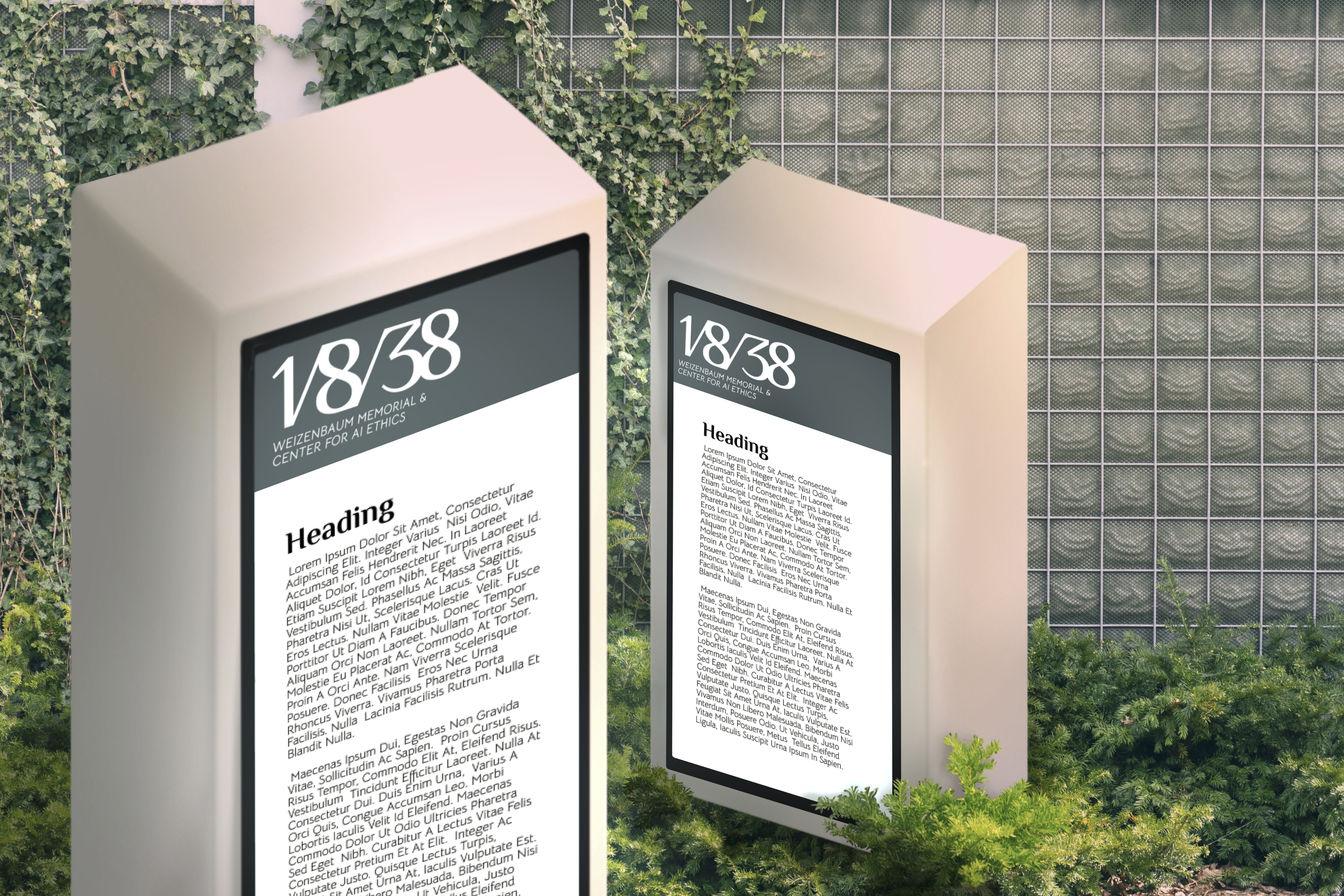
When delegating project roles, I assumed the task of creating information panels that facilitate learning and education at 1/8/38. My individual work involved creating logos and picking typefaces that promote a unified brand identity and communicate the site's message.
I explored Figma vector tools to build logo variations accommodating different contrast levels, using circles and connected digits to suggest unity while utilizing green as a centering color to symbolize rebirth. I then prototyped conceptual outdoor information panels for the memorial using Procreate and Adobe Photoshop.
Prototype panels
Website prototype
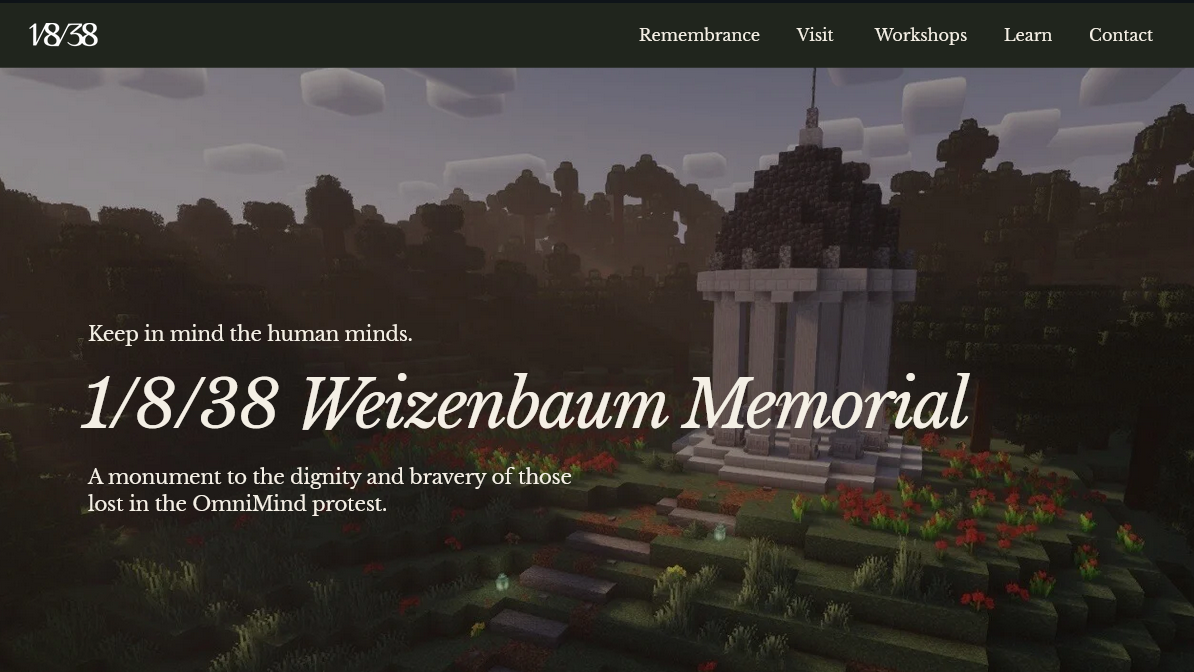
In a crossdisciplinary effort, our team created a website memorial that facilitates virtual visits to the 1/8/3. To create an immersive online touring experience, project architects used Minecraft assets to create engaging videos and physical locations, working with designers to craft a cohesive visual identity.


Isabella Amador / 1/8/38 Memorial
The 1/8/38 Weizenbaum Memorial and Center for AI Ethics
Graphic Design, User Interface, and Interdisciplinary Collaboration
Visit the Prototype Site
A hypothetical future
Throughout the 2030s, artificial intelligence contributed to job loss and exacerbated economic differences in the pursuit of technological advancement. The resulting widespread resentments culminated in the January 8, 2038 protests in front of OmniMind Systems headquarters, a leading automation firm. The protesters, rallied under vocal AI critic Joseph Weizenbaum, called for greater transparency, equity, and accountability in software development.
However, the demonstration ended in tragedy when OmniMind's automated defense systems malfunctioned, interpreted the protesters as security threats, and took the lives of 3,497 peaceful civilians.
Leaders and creatives call for the creation of a memorial that pays tribute to the 1/8/38 victims and sheds light on the consequences of unregulated artificial intelligence.
1/8/38 is a mock client team project for UMD's HDCC 105 course (Introduction to Design Cultures and Creativity), involving collaboration between architects, computer scientists, and communication specialists to produce conceptual artifacts.
Logos and typography
When delegating project roles, I assumed the task of creating information panels that facilitate learning and education at 1/8/38. My individual work involved creating logos and picking typefaces that promote a unified brand identity and communicate the site's message.
I explored Figma vector tools to build logo variations accommodating different contrast levels, using circles and connected digits to suggest unity while utilizing green as a centering color to symbolize rebirth. I then prototyped conceptual outdoor information panels for the memorial using Procreate and Adobe Photoshop.
Prototype panels
Website prototype
In a crossdisciplinary effort, our team created a website memorial that facilitates virtual visits to the 1/8/3. To create an immersive online touring experience, project architects used Minecraft assets to create engaging videos and physical locations, working with designers to craft a cohesive visual identity.
Isabella Amador / 1/8/38 Memorial
The 1/8/38 Weizenbaum Memorial and Center for AI Ethics
Graphic Design, User Interface, and Interdisciplinary Collaboration
Visit the Prototype Site
A hypothetical future
Throughout the 2030s, artificial intelligence contributed to job loss and exacerbated economic differences in the pursuit of technological advancement. The resulting widespread resentments culminated in the January 8, 2038 protests in front of OmniMind Systems headquarters, a leading automation firm. The protesters, rallied under vocal AI critic Joseph Weizenbaum, called for greater transparency, equity, and accountability in software development.
However, the demonstration ended in tragedy when OmniMind's automated defense systems malfunctioned, interpreted the protesters as security threats, and took the lives of 3,497 peaceful civilians.
Leaders and creatives call for the creation of a memorial that pays tribute to the 1/8/38 victims and sheds light on the consequences of unregulated artificial intelligence.
1/8/38 is a mock client team project for UMD's HDCC 105 course (Introduction to Design Cultures and Creativity), involving collaboration between architects, computer scientists, and communication specialists to produce conceptual artifacts.
Logos and typography
When delegating project roles, I assumed the task of creating information panels that facilitate learning and education at 1/8/38. My individual work involved creating logos and picking typefaces that promote a unified brand identity and communicate the site's message.
I explored Figma vector tools to build logo variations accommodating different contrast levels, using circles and connected digits to suggest unity while utilizing green as a centering color to symbolize rebirth. I then prototyped conceptual outdoor information panels for the memorial using Procreate and Adobe Photoshop.
Prototype panels
Website prototype
In a crossdisciplinary effort, our team created a website memorial that facilitates virtual visits to the 1/8/3. To create an immersive online touring experience, project architects used Minecraft assets to create engaging videos and physical locations, working with designers to craft a cohesive visual identity.